A-lehdet
Strategic insight
A magazine brand is ultimately defined by the people who identify with it. Eeva readers were not united by age or demographics alone, but by shared qualities and attitudes toward life: bravery, curiosity, depth and a willingness to evolve. The campaign set out to reflect these characteristics back to the audience themselves.
The concept
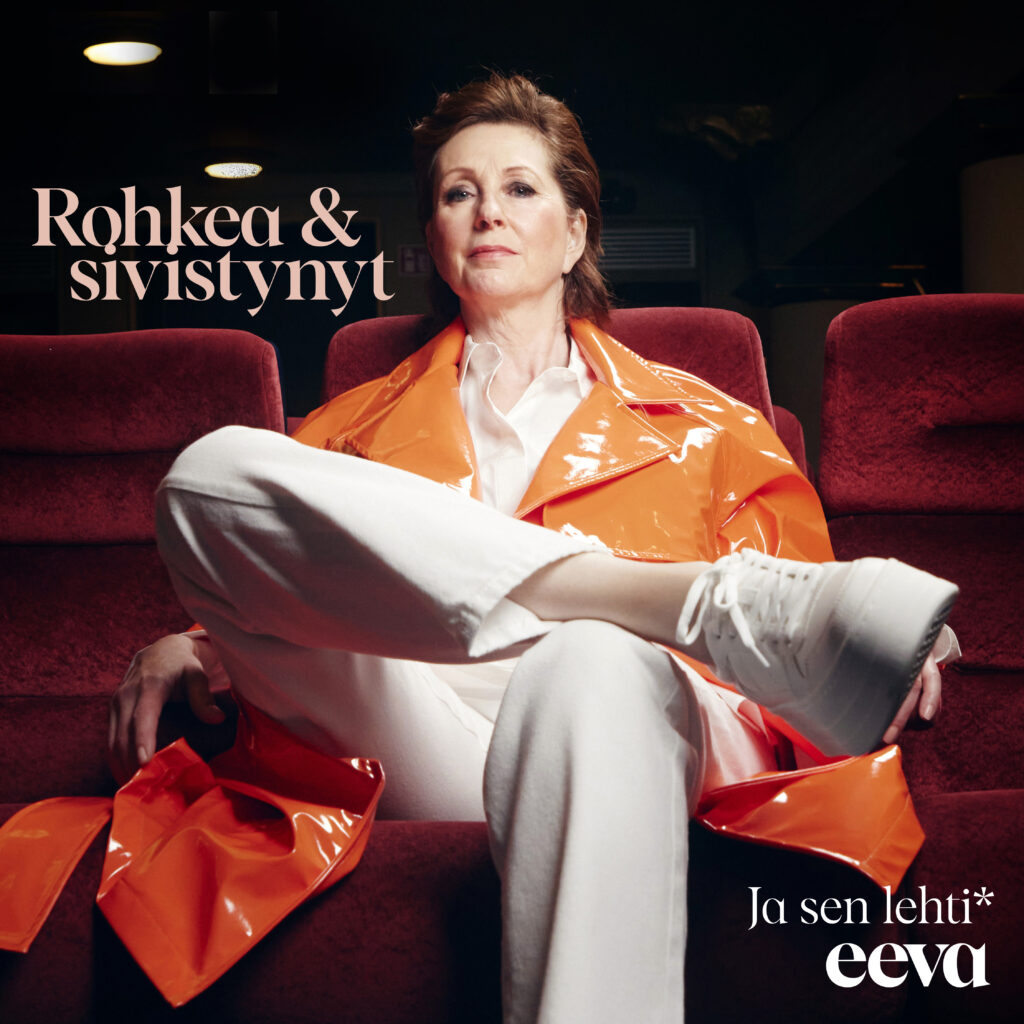
The campaign revolved around a simple copywriting twist: Brave* *and her magazine is Eeva. The same structure extended across multiple attributes central to the brand: Curious* Adventurous* Deep* Each line positioned the reader herself as the embodiment of the brand’s values, while Eeva became the natural publication for women who recognize themselves in those qualities. Instead of relying on professional models, the campaign featured actual Eeva readers. Their presence brought authenticity and emotional credibility to the visual identity while reinforcing the idea that the brand already existed in the personalities and life stories of its audience. Alongside the portrait-driven executions, we developed a typography-led visual alternative built around strong, stylistically confident copywriting. These executions leaned into reflection, introspection and layered storytelling — the kinds of themes for which the magazine is known. One of the defining lines became: “A sentence ends with a full stop. Life stories with a comma.” The line captured the editorial philosophy at the heart of Eeva: life remains unfinished, evolving and open to reinterpretation.
Why this case matters
This project demonstrates how branding becomes significantly more powerful when it reflects the audience rather than simply communicating toward it. By making readers the emotional center of the campaign, Eeva strengthened its authenticity and reinforced the shared worldview between the publication and its community. The strongest media brands are not built around content alone. They are built around identity — a feeling of recognition between the publication and the people who see themselves reflected in it